Design Differences: Residential Steel Doors and Frames vs Commercial Aluminium Door Frames
Choosing the right door frame system is essential for safety, functionality, and visual appeal. While homeowners often lean toward residential steel doors and frames, many commercial builders prefer commercial aluminium door frames for their durability and adaptability. Although both materials offer strong performance, they are engineered with very different design priorities in mind. Understanding these differences helps property owners, architects, and builders make informed decisions.
Strength and Security Requirements
One of the most notable design contrasts is the level of security each door system is intended to provide. Residential steel doors and frames are engineered for robustness and impact resistance. Steel is naturally strong, making it ideal for front entrances, side doors, security doors, and areas of the home requiring reinforced protection.
Key security characteristics of steel doors include:
- High Resistance to Forced Entry
- Thicker, Heavier Construction
- Better Compatibility with Advanced Locking Systems
- Minimal Flex Under Pressure
In comparison, commercial aluminium door frames are designed more for accessibility, aesthetics, and versatility rather than high-security reinforcement. While aluminium is durable, its lighter weight and more flexible properties mean it is typically used in low- to medium-security commercial applications such as offices, retail shops, and internal building corridors.
Aesthetic and Architectural Design Considerations
Homeowners often choose steel doors for their clean lines and customisable panel designs. Residential steel doors can mimic traditional timber finishes, incorporate glass panes, or feature modern minimalist styles.
Design benefits in residential use include:
- Textured or Smooth Panel Options
- Wide Range of Colours and Finishes
- Customisable Decorative Elements
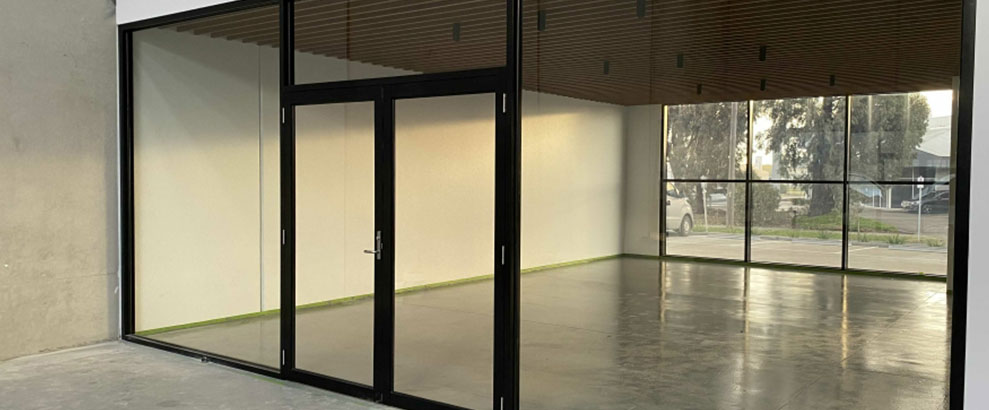
In commercial applications, aluminium door frames are preferred for their sleek appearance and ability to integrate with large glass panels. They offer a contemporary look commonly seen in building entrances, storefronts, and office interiors.
Commercial aluminium designs offer:
- Slim Profiles for Maximised Natural Light
- Flexible Configurations for Sliding, Swing, Or Automatic Doors
- Compatibility with Glass for Modern Architectural Styles
Thermal and Acoustic Performance
Residential steel doors offer superior thermal insulation and soundproofing capabilities. Their dense construction, combined with foam insulation cores, helps reduce heat transfer and external noise—both highly desirable in domestic environments.
Commercial aluminium frames, while durable, are more conductive and require thermal breaks to achieve comparable insulation. Most commercial designs focus on airflow, accessibility, and internal separation rather than residential-level insulation.
By understanding these differences, property owners and designers can make informed decisions that optimise both function and visual impact.


Comments
Post a Comment